Summer has spoiled us with sun, warmth, and many beautiful moments – but our skin sometimes remembers it longer than we’d like. As our tan slowly fades in autumn, they often become more noticeable: small dark spots that we might not have even noticed in summer. Pigment spots, age spots, or melasma can make the skin look uneven – and this is particularly annoying because an even complexion always looks younger, fresher, and healthier.
Anti-aging, therefore, means not only preventing wrinkles but also ensuring a harmonious, even complexion. However, pigment changes are often stubborn and tend to recur. It is all the more important to understand how they develop – and what we can do about them.
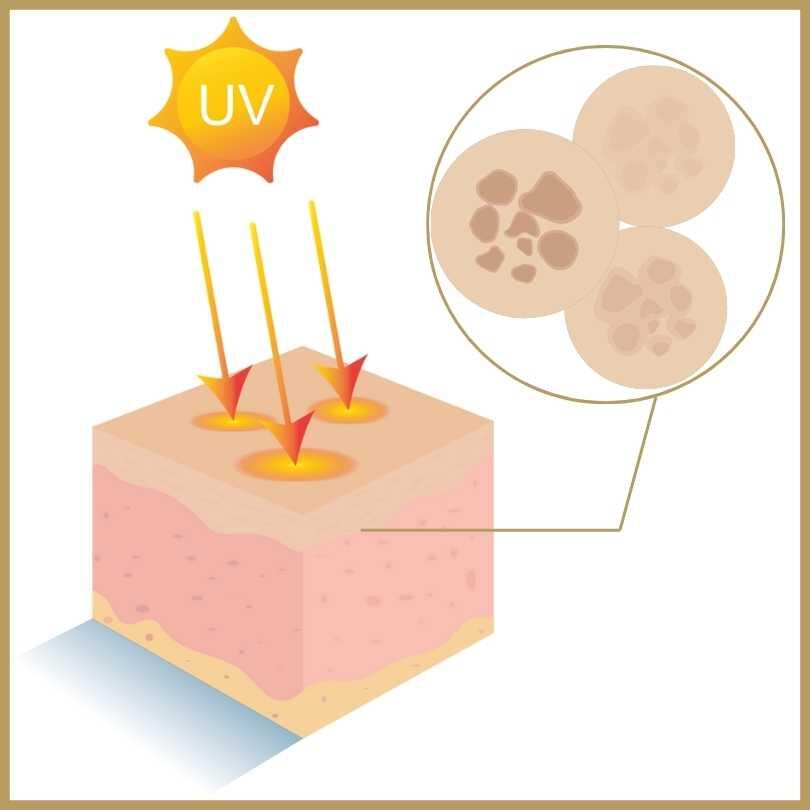
How does hyperpigmentation develop in the skin?
Pigment spots occur when our skin produces too much melanin. This pigment is actually a natural protective shield: it ensures that the skin darkens when exposed to the sun and protects us from UV damage.
But when melanin is unevenly distributed, visible spots appear. These small accumulations are harmless but can disturb the skin's appearance and make us look older than we are.
Causes of pigment spots
There are several reasons why pigment spots occur – and often several factors play a role:
- Sun: Repeated UV radiation is the most common trigger.
- Hormones: Pregnancy or medication can promote hyperpigmentation.
- Age: With age, the skin becomes more susceptible.
- Genetics: Some skin types are more prone to it.
- Inflammation: Spots can also remain after acne or skin irritation.

Pigment spots are very common on the face and hands, as these areas are most frequently exposed to the sun.
Treating pigment spots – what are the options?
The cosmetics industry often uses high doses of chemical active ingredients for treatment. While these can show results, they are not always gentle on the skin.
In addition to classic skincare products, there are also invasive methods such as laser therapies, chemical or fruit acid peels, or microdermabrasion. These deeply impact the skin and are not suitable for every skin type.
I personally prefer to rely on the power of nature – because it is not only effective but also gentle.
My recipe: Naturally against pigment spots
The most important preventive measure is and remains sun protection. Without sun protection and careful handling of sun exposure, we can hardly prevent pigment shifts. Staying in the shade, wearing a sun hat, and using sun protection contribute greatly to preventing hyperpigmentation.
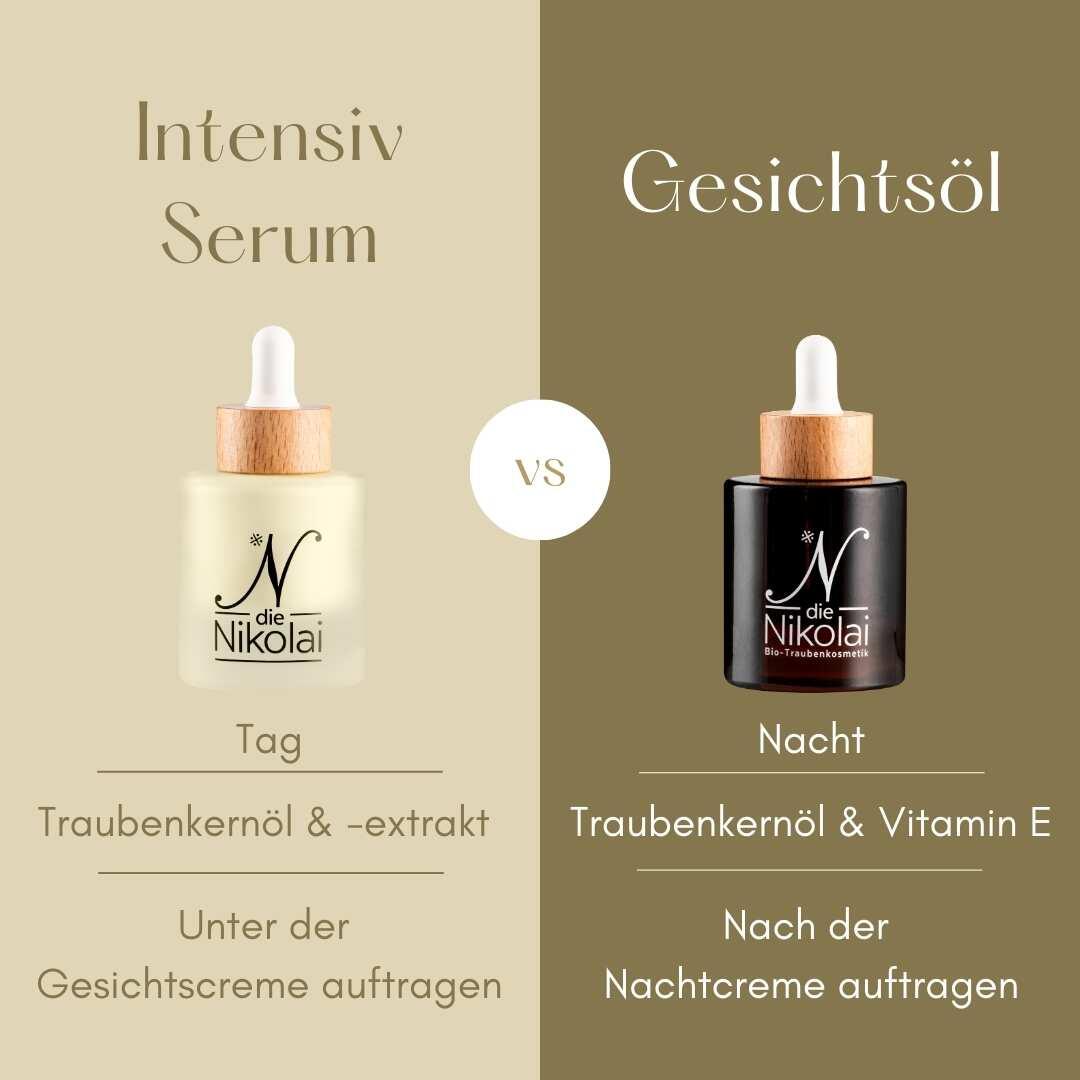
However, if the spots are already there, I have had very good experiences with my Intensive Serum. It is my absolute anti-aging specialist and contains a particularly high concentration of grapeseed oil and grapeseed extract.
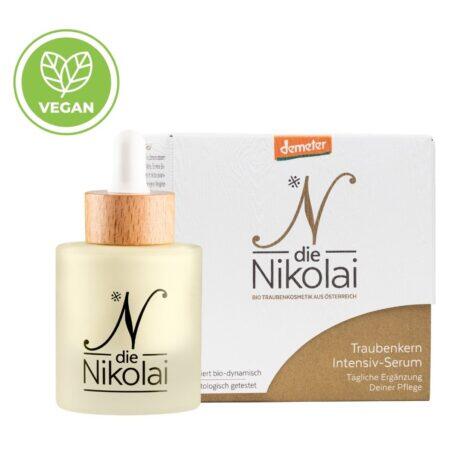
Why am I so convinced by it? Because grapeseed oil works in several ways:
- Evening out skin tone: Antioxidants help to soften pigment spots and make the complexion appear more even.
- Moisturizing: Rich in linoleic acid, it strengthens the skin barrier, locks in moisture, and gives plump, supple skin.
- Protection against environmental influences: Vitamin E and polyphenols protect against free radicals and thus also against new skin aging.

Studies confirm that grapeseed oil can help reduce pigment spots with regular use. Many of my users report visible improvements in their skin – and that always makes me very happy.
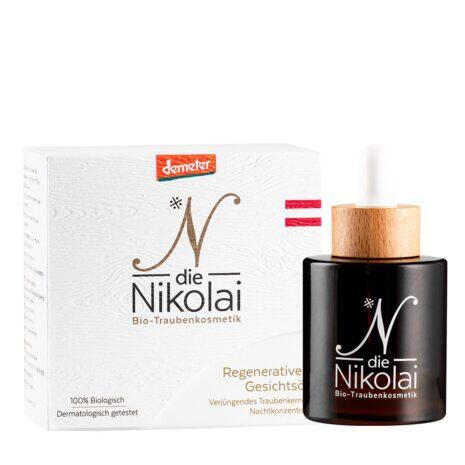
For the night, I also recommend my facial oil made from pure Demeter grapeseed oil and vitamin E. It supports skin regeneration overnight, so your skin looks rested, plump, and radiant the next morning.
Conclusion: With patience and the power of nature
I know we want quick results – but skin needs time. Pigment spots don't appear – and don't disappear overnight. With consistent care, patience, and the right active ingredients from nature, however, visible improvements are possible.
We cannot turn back time – but we can help our skin regain its balance. And that is exactly what I want to help you with.
Sincerely,
Your dieNikolai