


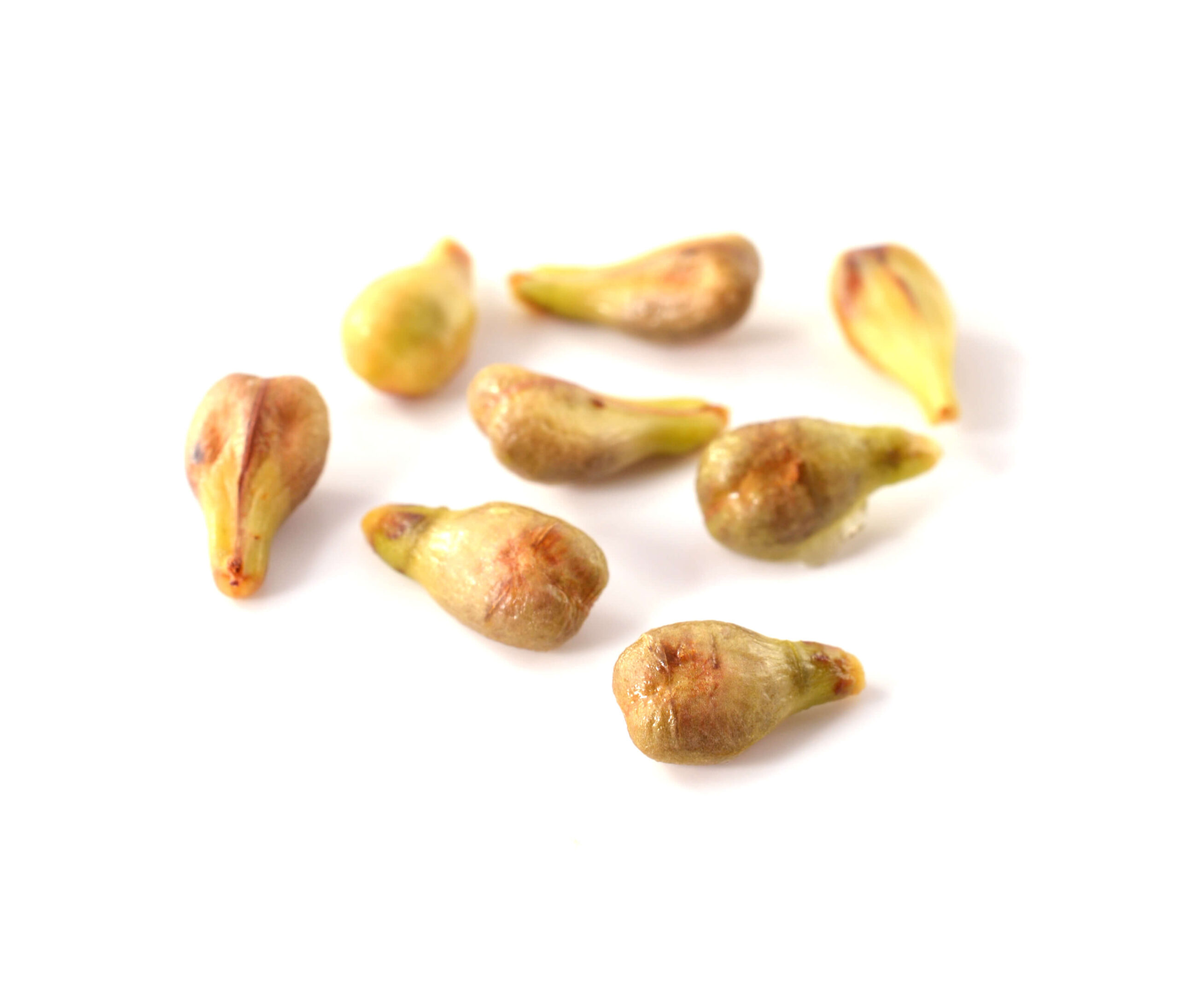
Grapeseed oil is one of the most valuable local oils and is especially prized in natural cosmetics for its diverse benefits for the skin. In recent years, grapeseed oil has gained popularity as its positive effects on the skin are increasingly being discovered. For my organic grape cosmetics, we use Demeter-certified grapeseed oil from our own vineyards in Wachau. This way, we can not only ensure that there are no pesticide residues in the oil, but also have incredibly short transport routes. In this article, we will take a closer look at the benefits and effects of grapeseed oil on the skin.
Antioxidant Effect
Grapeseed oil is rich in antioxidants such as vitamin E and polyphenols. These compounds play an important role in protecting the skin from oxidative stress caused by free radicals. Free radicals are unstable molecules that are generated by sun exposure, environmental pollution, and other factors and can damage the skin. A 2010 study published in the journal "Phytomedicine" showed that grapeseed oil has antioxidant properties and can help protect the skin from premature aging and damage.
Moisturizing and Nourishing
Grapeseed oil contains essential fatty acids like linoleic acid, which help retain moisture in the skin. A 2012 study published in the journal "Dermatology Research and Practice" found that grapeseed oil increases skin hydration and helps strengthen the skin barrier. It easily absorbs into the skin without leaving greasy residue and provides intense moisture. This makes it particularly beneficial for people with dry or sensitive skin.
Anti-inflammatory Properties
The anti-inflammatory properties of grapeseed oil can help in the treatment of skin problems such as acne, eczema, and rosacea. A 2015 study published in the "Journal of Medicinal Food" found that grapeseed oil has anti-inflammatory effects on the skin and can reduce redness and inflammation in inflammatory skin conditions. These properties can also help reduce the appearance of pimples and blackheads.
Firming and Regenerating Effect
Grapeseed oil contains natural compounds like OPCs (oligomeric proanthocyanidins), which can promote collagen production in the skin. Collagen is a protein responsible for the skin's elasticity and firmness. A 2017 study published in the "Journal of Cosmetic Dermatology" found that topical application of grapeseed oil increases collagen production in the skin and promotes skin tightening. Furthermore, grapeseed oil supports the regeneration of skin cells, which can lead to a more youthful and fresher appearance.
Protection from UV Rays
Grapeseed oil contains natural compounds that may offer some sun protection. A 2011 study published in the "Journal of Cosmetic Dermatology" showed that grapeseed oil provides some protection against UV rays and can help protect the skin from sun damage. However, it is important to note that grapeseed oil does not offer sufficient protection against UV rays and should therefore not be used as a substitute for adequate sun protection.
Reduction of Pigmentation Spots
The antioxidant properties of grapeseed oil can help reduce the appearance of pigmentation spots and skin discoloration. A 2015 study published in the "Journal of Dermatological Science" showed that grapeseed extract, used in skincare products, reduced the production of melanin, the pigment responsible for skin color. This can lead to a more even skin tone and a reduction in pigmentation spots. In summary, grapeseed oil offers a variety of benefits for skin health. It has antioxidant, moisturizing, anti-inflammatory, firming, and regenerating properties. It can protect the skin from damage caused by free radicals and sun exposure, improve the skin's moisture balance, alleviate inflammatory skin problems, promote collagen production, and reduce the appearance of pigmentation spots. It is important to use high-quality, cold-pressed grapeseed oil and incorporate it regularly into your skincare routine to achieve optimal results.


