


The Wachau, a picturesque landscape along the Danube in Lower Austria, is not only valued for its breathtaking beauty but is also world-renowned for its outstanding white wines. Austria's oldest winery, Nikolaihof Wachau, is located at the eastern entrance to the Wachau in Mautern an der Donau and is not only known for its award-winning wines but also processes the valuable raw materials of the grape for its Demeter-certified organic grape cosmetics.
Geography and Climate: Perfect Conditions for Viticulture
The Wachau stretches for about 33 kilometers along the Danube, between the cities of Melk and Krems. This region is characterized by a unique landscape dominated by steep terraces, rocky slopes, and rolling hills. The cultivation area is crisscrossed by the "Steinterrassen" (stone terraces), which were meticulously built by hand over centuries. These terraces not only provide support for the vines but also help to store solar heat, thus positively influencing the microclimate.
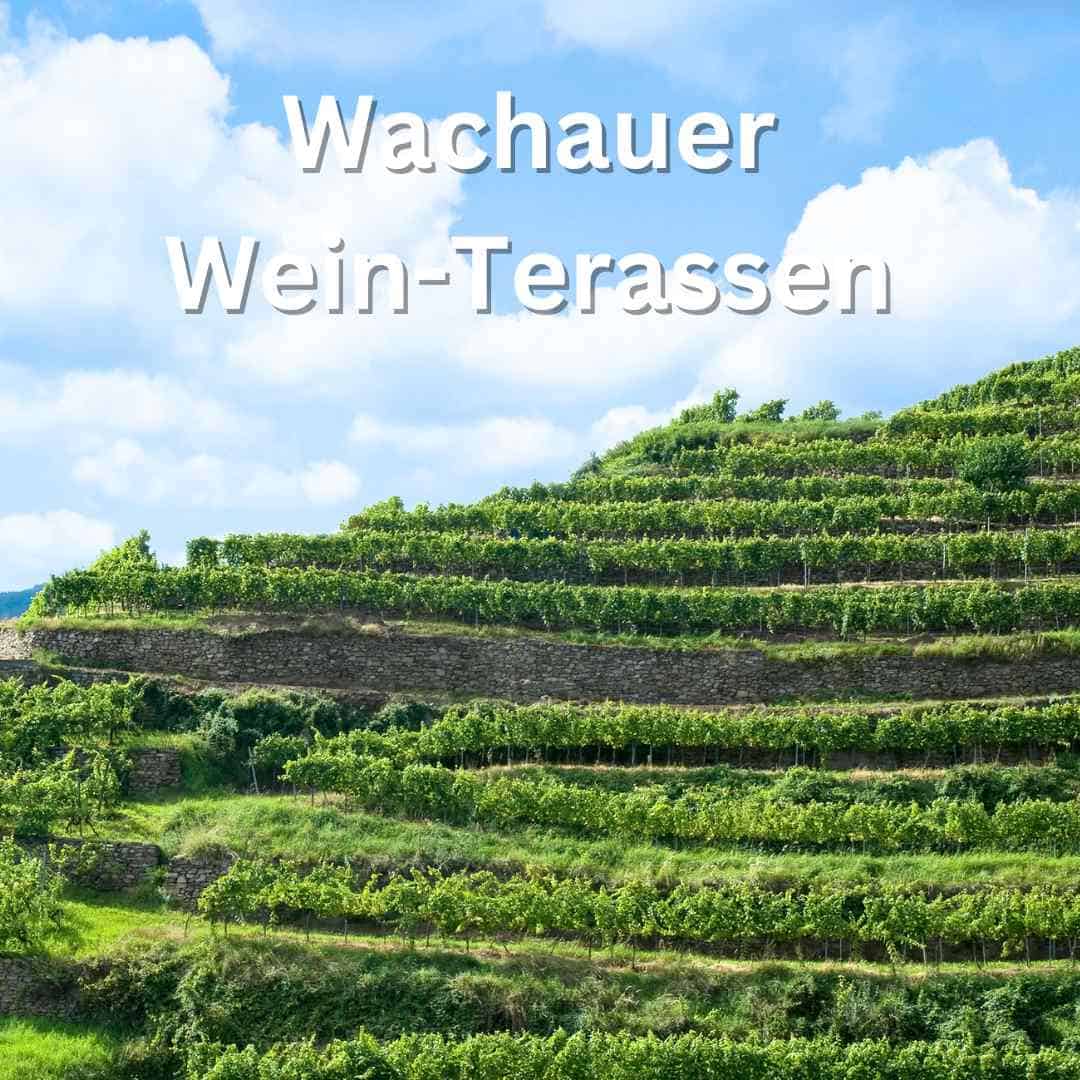
The climate in the Wachau is ideal for viticulture: On the one hand, the Danube acts as a heat reservoir and reflects sunlight onto the vines. On the other hand, cool winds from the Waldviertel provide the necessary freshness. This combination of warm days and cool nights significantly contributes to the development of the fine aromas and typical minerality of the wines. The soil, mainly characterized by gneiss and slate, also gives the wines their characteristic structure and depth.
Grape Varieties and Wine Styles: Wachau's Top Wines
The Wachau is world-renowned primarily for two grape varieties: Grüner Veltliner and Riesling. These two varieties occupy the majority of the vineyard area and have contributed to the region's excellent reputation.
Grüner Veltliner
Grüner Veltliner is considered the "queen" of Wachau wines. This grape variety produces wines that impress with their freshness, spiciness, and delicate peppery notes. In the Wachau, Grüner Veltliner develops a special minerality that gives it depth and complexity. It is available in various quality levels, from fresh, light wines to powerful and age-worthy premium growths.
Riesling
Riesling from the Wachau is among the best in the world. This grape variety thrives on the region's sparse, mineral-rich soils, which give the wines their unmistakable finesse. Wachau Rieslings are characterized by their vibrant acidity, clear fruitiness, and exceptional longevity. Especially the "Smaragd" wines – the highest quality level in the Wachau – have achieved international fame. They are dense, complex, and possess enormous aging potential.
In addition to these two main grape varieties, other varieties such as Pinot Blanc, Chardonnay, and Gelber Muskateller are also cultivated in the Wachau, which also yield excellent results. Nevertheless, the focus remains on Grüner Veltliner and Riesling, which are the flagships of the region.
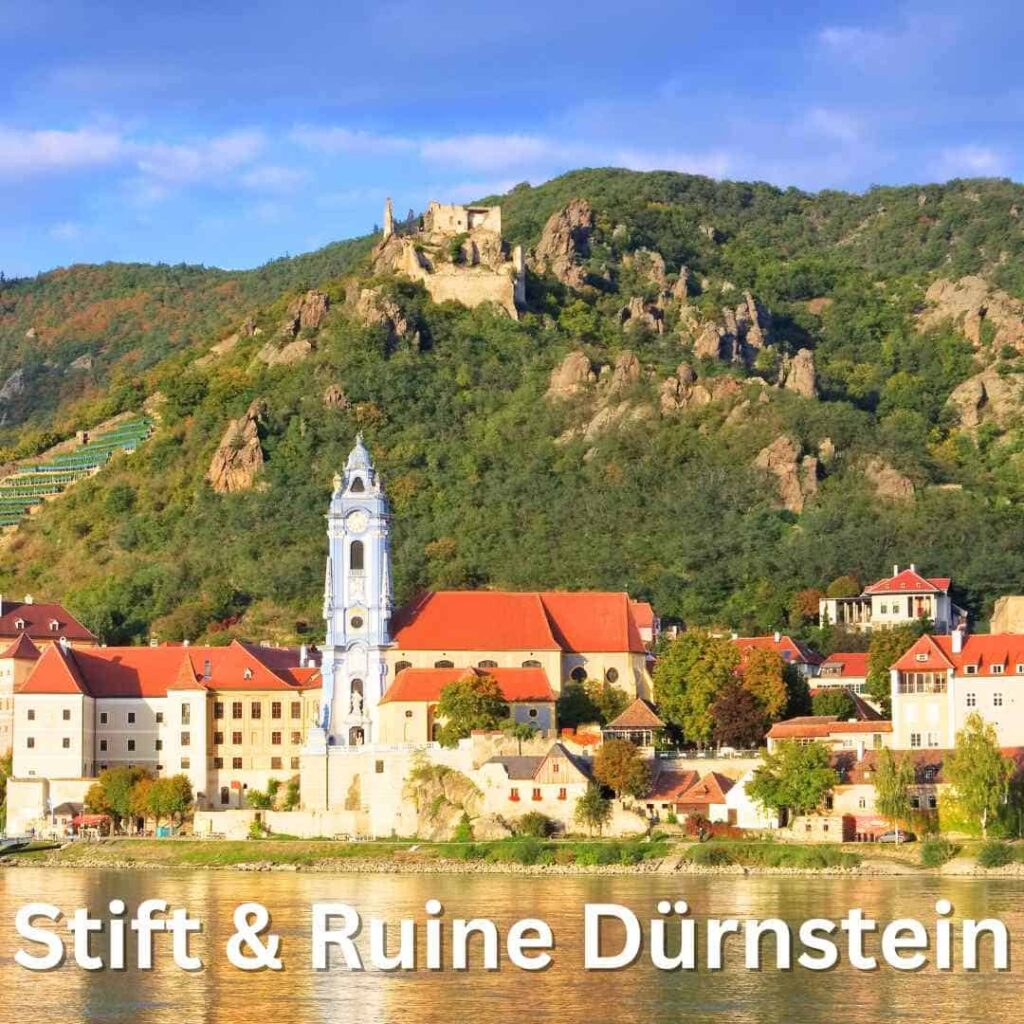
The Wachau Classification: Steinfeder, Federspiel & Smaragd
A special feature of viticulture in the Wachau is the traditional classification of wines according to their ripeness and alcohol content. This three-tiered classification was initiated by the winemakers' association "Vinea Wachau" and is unique in the wine world.
- Steinfeder: This is the lightest category, characterized by an alcohol content of maximum 11.5%. Steinfeder wines are fresh, lively, and easily accessible. They are excellent as summer wines or as accompaniments to light meals.
- Federspiel: The Federspiel category includes wines with a medium alcohol content (11.5% to 12.5%). These wines are somewhat more powerful in their structure and have finer, more balanced aromatics. They are considered classic dry wines with great elegance and expression.
- Smaragd: This is the highest quality level and stands for powerful, complex wines, often with a higher alcohol content. Smaragd wines are produced from the best sites in the Wachau and have great aging potential. They are among the finest white wines in the world.
Manual Labor and Sustainability: The Challenge of Terrace Viticulture
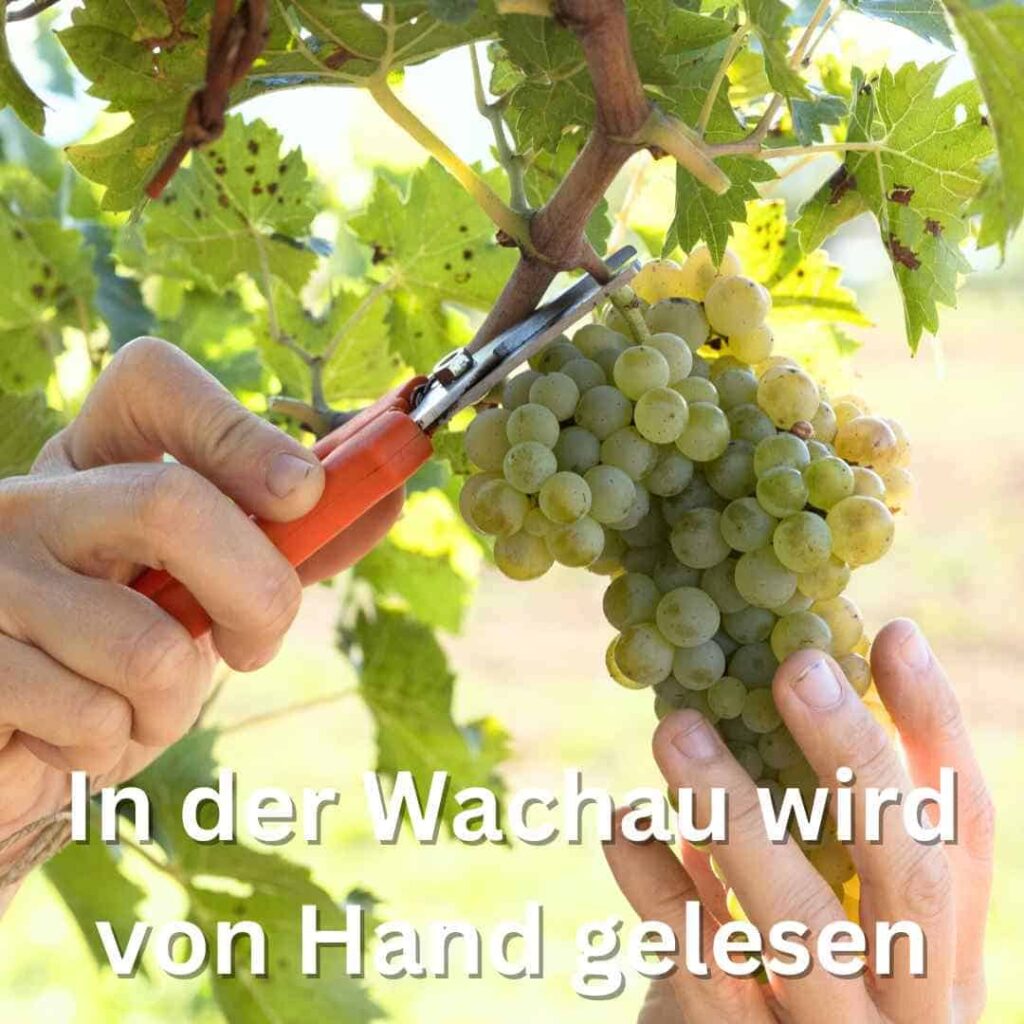
Viticulture in the Wachau is often associated with physical exertion. Due to the steep slopes, many tasks cannot be performed by machines but require manual labor. From pruning to harvesting and maintaining the dry stone walls – in the Wachau, viticulture is still a handcrafted and sustainable endeavor. Winemakers are committed to preserving the traditional terraced landscape, which is of great importance not only for wine quality but also for the protection of the unique cultural landscape.
Sustainability plays a particularly important role for us at Nikolaihof. We have been working strictly biodynamically for over 50 years, as one of the first wineries in the world. The goal is to preserve nature while producing wines & natural cosmetics of the highest quality.


