


Finding the right sun protection is almost a science in itself – but don't worry, I'll hold your hand and together we'll navigate through the sun protection jungle. Because one thing is certain: We want to feel good in the sun without exposing our skin to unnecessary stress.
Why sun protection at all?
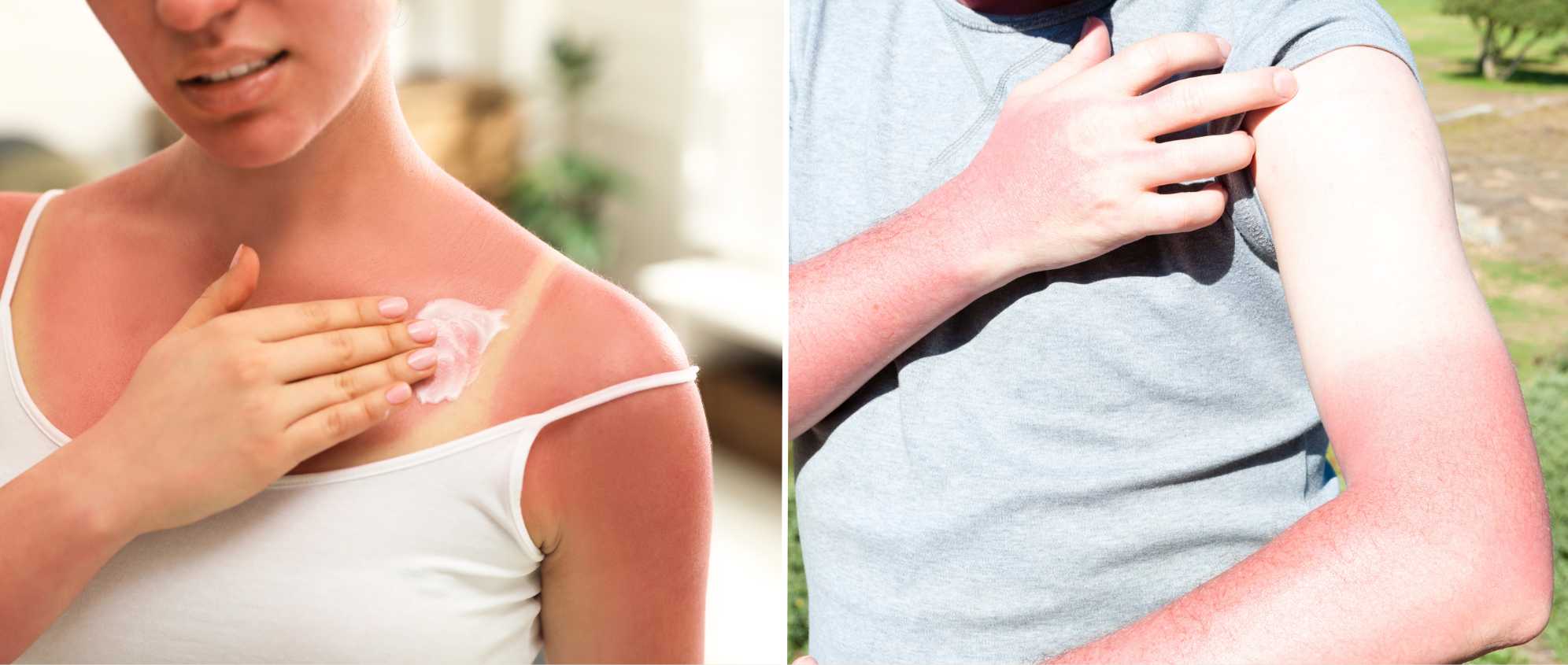
The sun undoubtedly has many good sides – it gives us warmth, good mood and helps our body produce valuable vitamin D. But unfortunately, it doesn't just come with light and love. UV radiation can damage our skin in the long run, lead to premature skin aging and, in the worst case, even cause skin cancer. Children's skin is particularly at risk, as it has not yet fully developed its natural self-protection.
And while we may have spent hours unprotected at the outdoor pool in the past, today we are more mindful. We not only want to grow old healthily – we also want to look that way. And that starts with the right sun protection.

SPF – more than just a number
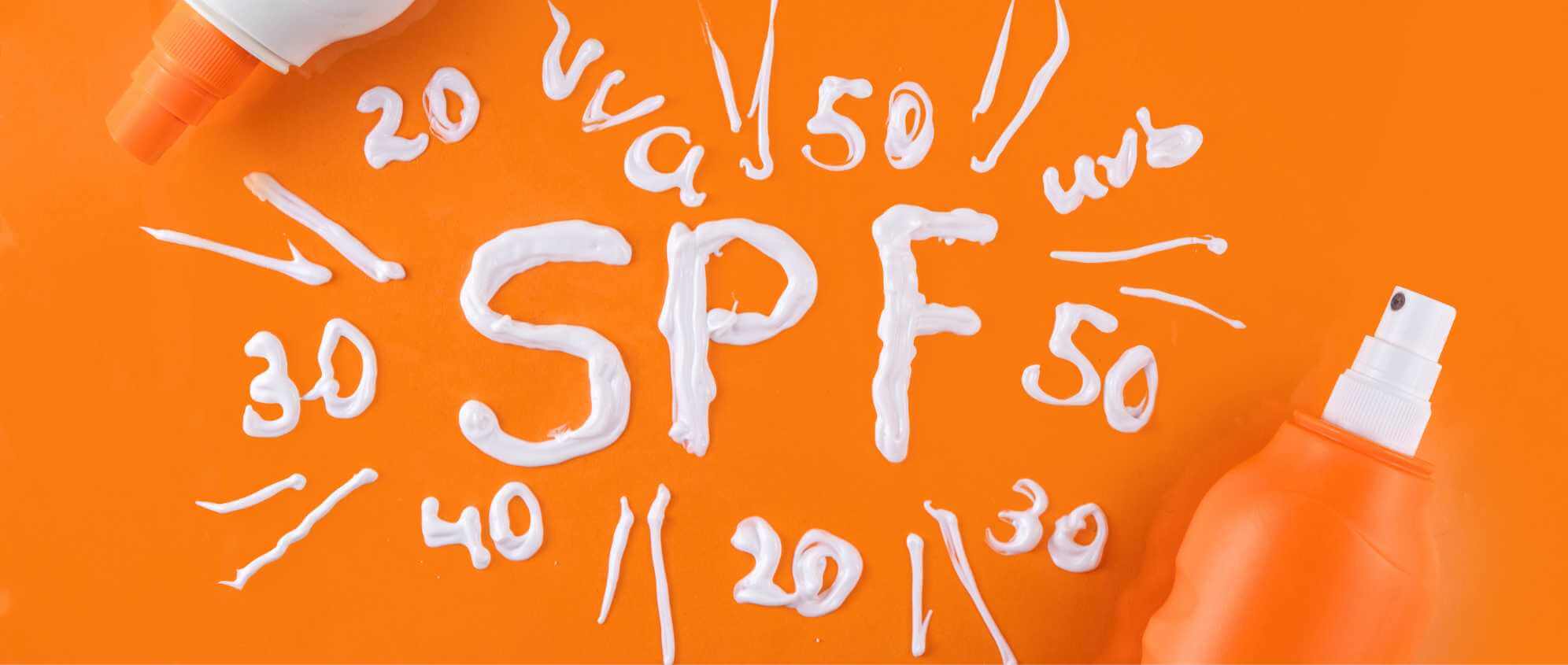
The Sun Protection Factor (SPF) is often misunderstood. Many think: The higher, the stronger. That's true – but what does that mean exactly? The SPF extends the time you can spend in the sun without your skin getting sunburned. For example, if your skin has a natural protection of about 7 minutes, an SPF 30 will give you about 3.5 hours of protection (7 x 30 = 210 minutes). But: Only if you apply it correctly and sufficiently. And don't forget to reapply – sweat, water and clothing quickly rub off the protection.
UVA vs. UVB – What does what?
Not all UV rays are the same – and this is where the term broad-spectrum protection comes in.
• UVA rays penetrate deep into the skin, promote skin aging (hello wrinkles!) and can even increase the risk of cancer – all without causing a sunburn.
• UVB rays are responsible for sunburn, tanning and also vitamin D production. They act more superficially but can also damage DNA.
So your sun protection should definitely cover both – UVA and UVB!
Chemical or mineral – which is right for you?
Chemical sun protection
These filters convert UV rays into heat. The advantage? Light textures, pleasant skin feel, often available in practical sprays or gels. Ideal if you are active in sports or simply want an invisible solution.
But: Some ingredients are suspected of being hormonally active or even carcinogenic. In addition, they can pollute waters and the environment – not to mention sensitive skin.
Mineral sun protection
Here, finely ground particles such as zinc oxide or titanium dioxide provide protection by reflecting UV radiation. Sounds good? It is – especially for children and sensitive skin!
But: The "white film" on the skin is still an issue, even if many modern formulations have improved significantly here. And: seamless application is crucial, otherwise unprotected areas will occur.
Natural support for the skin
Even if you don't want to reach for sunscreen every day – you can still strengthen your skin. Support its natural protective functions, for example, with:
• Antioxidants like vitamin E or OPC – as a serum or supplement.
• Beta-carotene-rich foods like sea buckthorn or carrots.
• Care products that soothe, regenerate and provide the skin with antioxidants & moisture – especially after a sunny day.
My secret tip: A cooling body fluid after sunbathing. It instantly soothes and provides valuable moisture. And my new body oil is a true pampering program for sun-stressed skin.
So what's the best sun protection now?
Honestly? The one you actually use. And the one that fits your everyday life, your skin type and your needs. Basically:
• Shade, clothing and a hat are your best friends.
• Mineral protection is ideal for children and sensitive skin.
• Chemical protection is super practical for everyday use, sports or on the beach.
• Antioxidants and a healthy diet additionally support the skin from the inside and outside.
• And: Less is not more. It's better to apply generously and reapply regularly.
Everyday vs. Outing – when is care enough, when is protection needed?
In everyday life – if you only spend a short time outdoors, for example on your way to work, a walk in the shade or running errands – you can also support your skin in a gentle, natural way:
• With a healthy diet rich in antioxidants.
• With high-quality care that neutralizes free radicals and strengthens your skin barrier.
• By slowly getting your skin used to the sun and giving it time to build up its natural protection (melanin).
Especially for this everyday use, products with ingredients like sea buckthorn oil, vitamin C or E are perfectly suited – they ensure that your skin remains resilient without unnecessarily burdening it with synthetic filters.
But: As soon as you spend a longer time in the sun – hiking, cycling, swimming or simply on a long day in the park – this alone is no longer enough. Here, targeted sun protection with tested UVA and UVB filters is absolutely necessary to safely protect your skin.

Conclusion
Sun protection is not just a beauty topic – it's a health topic. Dealing with the sun intelligently doesn't mean avoiding it completely – but consciously enjoying it without harming your skin. In everyday life, you don't necessarily need a thick layer of sun protection every day, especially if you only spend a short time outdoors, eat a balanced diet and strengthen your skin with high-quality, antioxidant care products. Your skin has amazing self-protection mechanisms – and if you support it properly, it will manage wonderfully in everyday life.
The situation is different for longer outdoor activities: whether hiking, swimming or a long day in the garden – reliable sun protection is absolutely essential here. Whether you choose mineral or chemical sun protection depends on your preferences and skin type. It is important that the protection is comprehensive – meaning it protects against UVA and UVB rays – and that you apply it sufficiently and regularly.
Ultimately, it's about the right balance: common sense, natural skincare, conscious sun enjoyment and appropriate sun protection when it matters. This way, your skin will not only remain healthy, but will also radiate from the inside and out in the long term.
So – get out there, enjoy the sun, but do it wisely. Your skin will thank you.
Your dieNikolai



